
A Car Can Tell You a Lot Before It Says a Word
Some mornings in Tacoma begin with rain tapping against the windshield while I sit for an extra minute finishing a podcast before heading into work. By the time the shop doors open, the day can go in any direction. A warning light, a strange vibration, a part that does not fit, or a customer standing at the counter with a box they ordered online and a look that says they already know something went wrong.
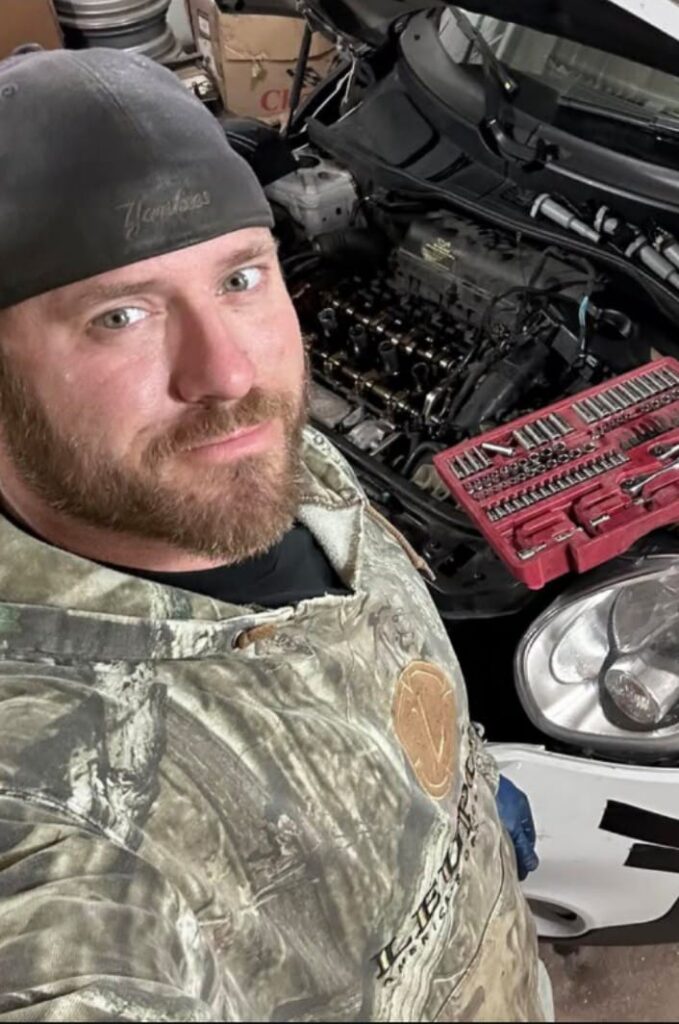
I am Nolan Barrett, and I work as an automotive service advisor at an independent repair shop. I spend a lot of time translating problems between technicians and people who simply want their car to work again. That has taught me patience, but it has also made me very curious about why some products hold up while others disappoint almost immediately.
I Learned to Respect the Unexciting Details
Before I moved into the service side of the shop, I spent time around parts, routine maintenance, and the everyday problem solving that comes with keeping vehicles running. I also studied automotive technology at community college, where I learned enough to understand systems, ask better questions, and realize how much there still is to learn.
What stayed with me most was not one dramatic repair. It was seeing the same small problems return. A part that almost fit. A tool that worked twice and then gave up. Instructions that assumed everyone already knew the missing step.
Those experiences made me pay attention to details that are easy to ignore when something is new. I care about what happens after the packaging is gone, after the return window closes, and after a product becomes part of ordinary life.
Older Cars Made Me More Patient
I have always had a soft spot for older Japanese cars. I like the shapes, the mechanical honesty, and the fact that owning one usually requires a little patience. I have one older car that I keep telling myself will not become a major project. That promise has become increasingly questionable.
On good days, I take the longer route home. I stop at local car meets when I can, browse swap meets without needing anything, and occasionally lose too much time reading about a part I was not planning to buy.
That interest has shaped the way I look at products beyond cars. I like things that make sense when you use them, not only when you photograph them. I appreciate repairable designs, sensible controls, and simple products that quietly solve the same annoying problem week after week.
The Notes Became Grainy Waves
For years, people around me would ask what I thought before buying something. Sometimes it was car related. Sometimes it was a tool, a charger, a piece of household equipment, or something completely outside my usual routine.
I rarely had an instant answer. I would start wondering about fit, replacement parts, storage, maintenance, or whether the expensive version actually solved a different problem from the cheaper one. Somewhere along the way, I began saving those comparisons instead of researching the same questions again months later.
In 2026, those notes became Grainy Waves.
This site is where I share honest, first-person opinions on products I have used, tested, compared, or researched because of real everyday needs. I do not expect every reader to make the same choice I would. My job is to explain what I noticed clearly enough to help you make your own.
Useful Things Rarely Need to Shout
The older I get, the less impressed I am by products that seem designed mainly to make a strong first impression. The things I end up valuing usually earn their place more quietly.
They are comfortable to use after the fifth time, not just the first. They fit where they are supposed to fit. They do not create three new problems while solving one. They make sense in the life of the person who actually bought them.
That is the kind of usefulness I look for here.
I still work a regular job. My garage is more functional than organized, and there are boxes in it that I have been meaning to sort for longer than I care to admit. Grainy Waves comes from that real life, not from pretending every purchase is perfect. I hope it gives you one more thoughtful voice before you spend your money.